John Francis Murphy (1853-1921) American
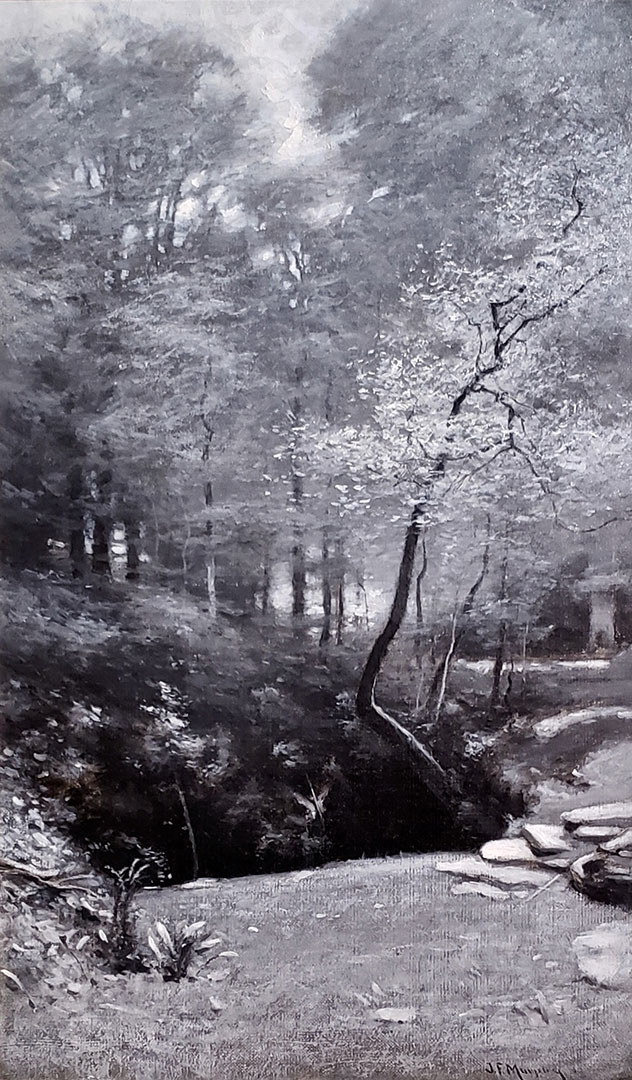
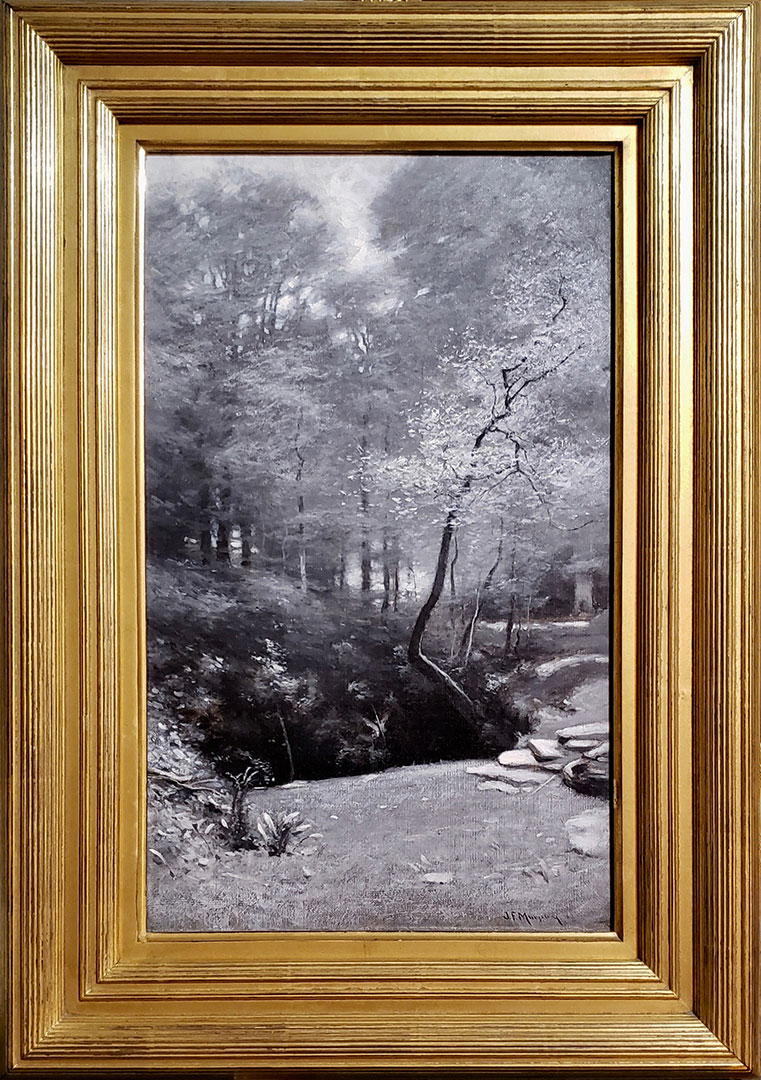
Medium: Oil on Canvas
Image Size: 20” x 12”
Frame Size: 26” x 18”
Signature: Signed lower right
Price: $4800
Biography/Statement
Known for his Tonalist-style landscape paintings, John Francis Murphy was referred to as the “American Corot” because of his similarity to the painting style of Camille Corot (1796-1875), one of the original Barbizon painters in France.
Murphy was born on December 11, 1853 in Oswego, New York. Completely self-taught, he kept his studio for many years in New York City. His work was first exhibited at the National Academy of Design in 1876, where he was inducted eleven years later.
He won numerous prizes, medals and honors for his landscape paintings, which are said to rank with those of George Inness, Alexander Wyant, and Homer Martin. Although his world was a limited one, his landscapes captured the forms of nature and the subtle nuances of the scene.
Artist Profile Page: Murphy, John Francis / Categories: Barbizon School, Landscape, Tonalism
Other Available Works by this Artist:
Similar Works

Bell, James Wethered

Busko, Bruce

Davis, William R.

Davis, William R.

Davis, William R.

Frost, George Albert

Graham, Laura Margaret

Hasbrouck, Dubois Fenelon

Hekking, Joseph Antonio

Hennings, Ernest Martin

Hinckley, Thomas Hewes

King, Paul

Kingsbury, Edward R.

Koeppel, Erik

Koeppel, Erik

Krawczyk, Casey

Linson, Corwin Knapp

Loveridge, Clinton

McPhee, Patrick

Orlyk, Harry

Podlodowski, Jakub

Poskas, Peter

Sansariq, Lauren

Schreyer, Adolf

Shearer, Christopher

Sheehan, Dennis

Sheehan, Dennis

Sheehan, Dennis

Sheehan, Dennis

Sheehan, Dennis

Sheehan, Dennis

Sheehan, Dennis

Sheehan, Dennis

Sheehan, Dennis

Sheehan, Dennis

Sheppard, Warren

Tate, Gayle Blair

Voelcker, Rudolph

Walton, William

Witucki, Sean
Dennis Sheehan (1950-) Contemporary, American
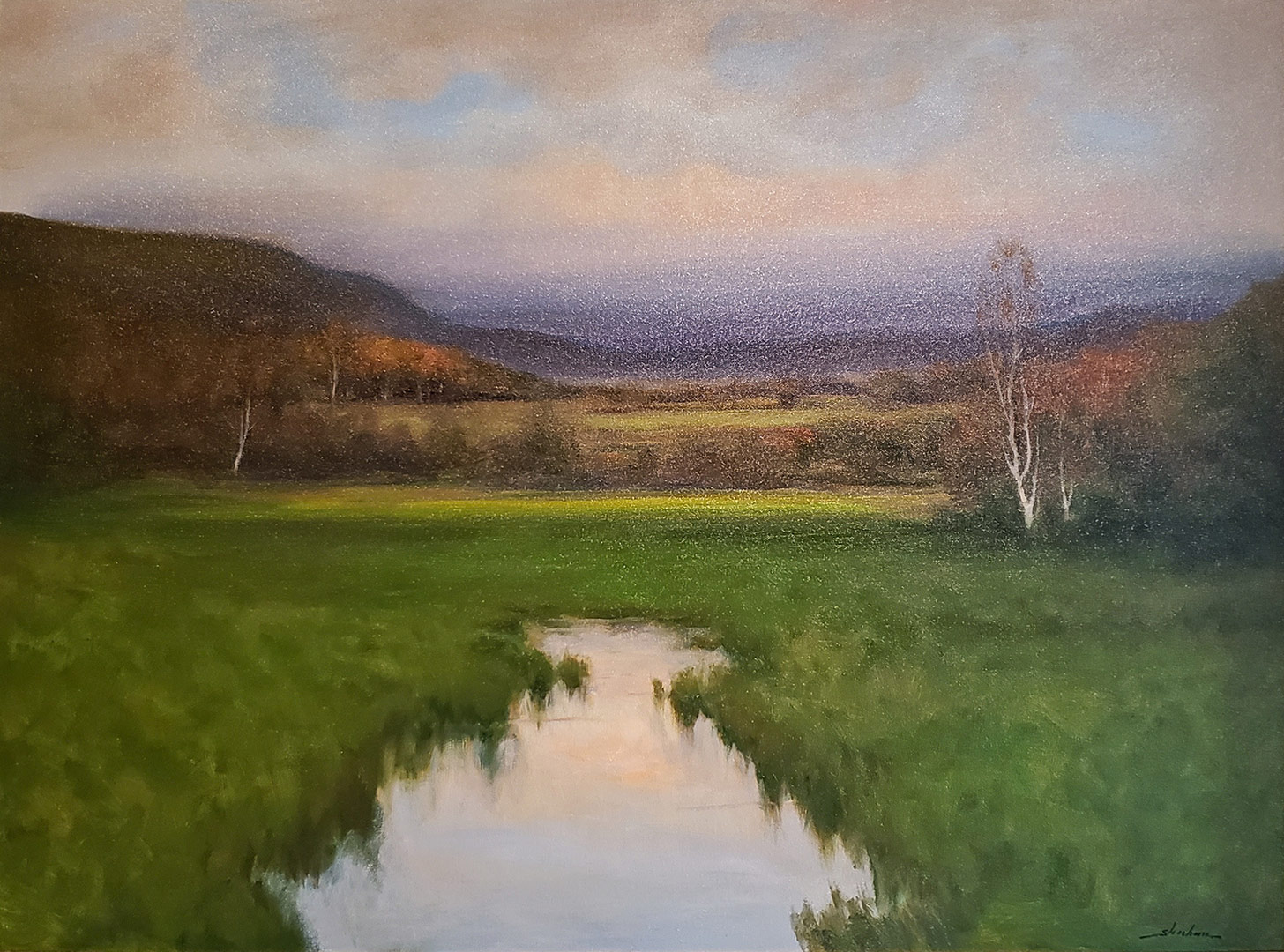

Medium: Oil on Canvas
Image Size: 30” x 40”
Frame Size: 40” x 50”
Signature: Signed Lower Right
Price: $6500
Biography/Statement
Dennis Sheehan, born in Boston in 1950, is a member of the Guild of Boston Artists. His work is in major public and private collections., including the White House. Sheehan paints in the Barbizon mode with remarkable authority and faithful adherence to his 19th century precursors. In the tradition of the Tonalist painters, Sheehan creates landscapes of mood, affected by nature’s changing seasons.
“Today, in a cultural firmament that has been defined as Postmodern, a new generation of American painters is returning to the old landscape seeking a renewed vision. The cultural strategies that they employ are as diverse as any from the past; in most cases, these painters consciously strive to enter into a dialogue with the history of the White Mountains art. Their work, grounded in a sophisticated appreciation of what has come before, is in many cases deliberately discursive with a tradition that has been all but erased twice by historical and cultural forces.”
The contemporary work of Dennis Sheehan, for example, affords a great nineteenth-century-predecessor George Inness. Like Inness, whose influence is consciously acknowledged, Sheehan employs the dark palette and thickly pigmented surfaces of the French Barbizon School*. Maintaining a muted tonalist chromatic scheme, Sheehan, like Inness before him, has temerity to eschew picturesque scenery-his Conway Meadows avoids any reference to the traditional climax view of Mount Washington—in the interest of evoking atmospherics* and the appearance of the natural world as it is observed.
Optical truth combined with poetic resonance—the search for some ineffable quality of nature beyond words -constitutes the probity of his art. Yet, also like Inness, Sheehan’s paintings are produced in the studio. His work is the product of the conscious distillation of prior imagery ranging from the American Barbizon to the abstractions of Franz Kline. For all of the references to history—and there are multiple—there is no mistaking the artist’s debt to the more recent past. Without the legacy of action painting, Sheehan’s art would be less forceful and evocative than it is.”
Source: Guild of Boston Artists
“My goal is to have the painting emanate light, rather than be just a surface that records the reflections of light. This is why the shadow areas are important, for it is from them that this emanation proceeds. The light areas are focal points of this effort, but the power comes from the shadows.” – Dennis Sheehan
Artist Profile Page: Sheehan, Dennis / Categories: Barbizon School, Landscape, Tonalism
Other Available Works by this Artist:
Sheehan, Dennis
Sheehan, Dennis
Sheehan, Dennis
Sheehan, Dennis
Sheehan, Dennis
Sheehan, Dennis
Sheehan, Dennis
Sheehan, Dennis
Sheehan, Dennis
Sheehan, Dennis
Sheehan, Dennis
Similar Works
Bell, James Wethered
Busko, Bruce
Davis, William R.
Davis, William R.
Davis, William R.
Frost, George Albert
Graham, Laura Margaret
Hasbrouck, Dubois Fenelon
Hekking, Joseph Antonio
Hennings, Ernest Martin
Hinckley, Thomas Hewes
King, Paul
Kingsbury, Edward R.
Koeppel, Erik
Koeppel, Erik
Krawczyk, Casey
Linson, Corwin Knapp
Loveridge, Clinton
McPhee, Patrick

Murphy, John Francis
Orlyk, Harry
Podlodowski, Jakub
Poskas, Peter
Sansariq, Lauren
Schreyer, Adolf
Shearer, Christopher
Sheehan, Dennis
Sheehan, Dennis
Sheehan, Dennis
Sheehan, Dennis
Sheehan, Dennis
Sheehan, Dennis
Sheehan, Dennis
Sheehan, Dennis
Sheehan, Dennis
Sheppard, Warren
Tate, Gayle Blair
Voelcker, Rudolph
Walton, William
Witucki, Sean
Casey Krawczyk (N/A) Contemporary, American

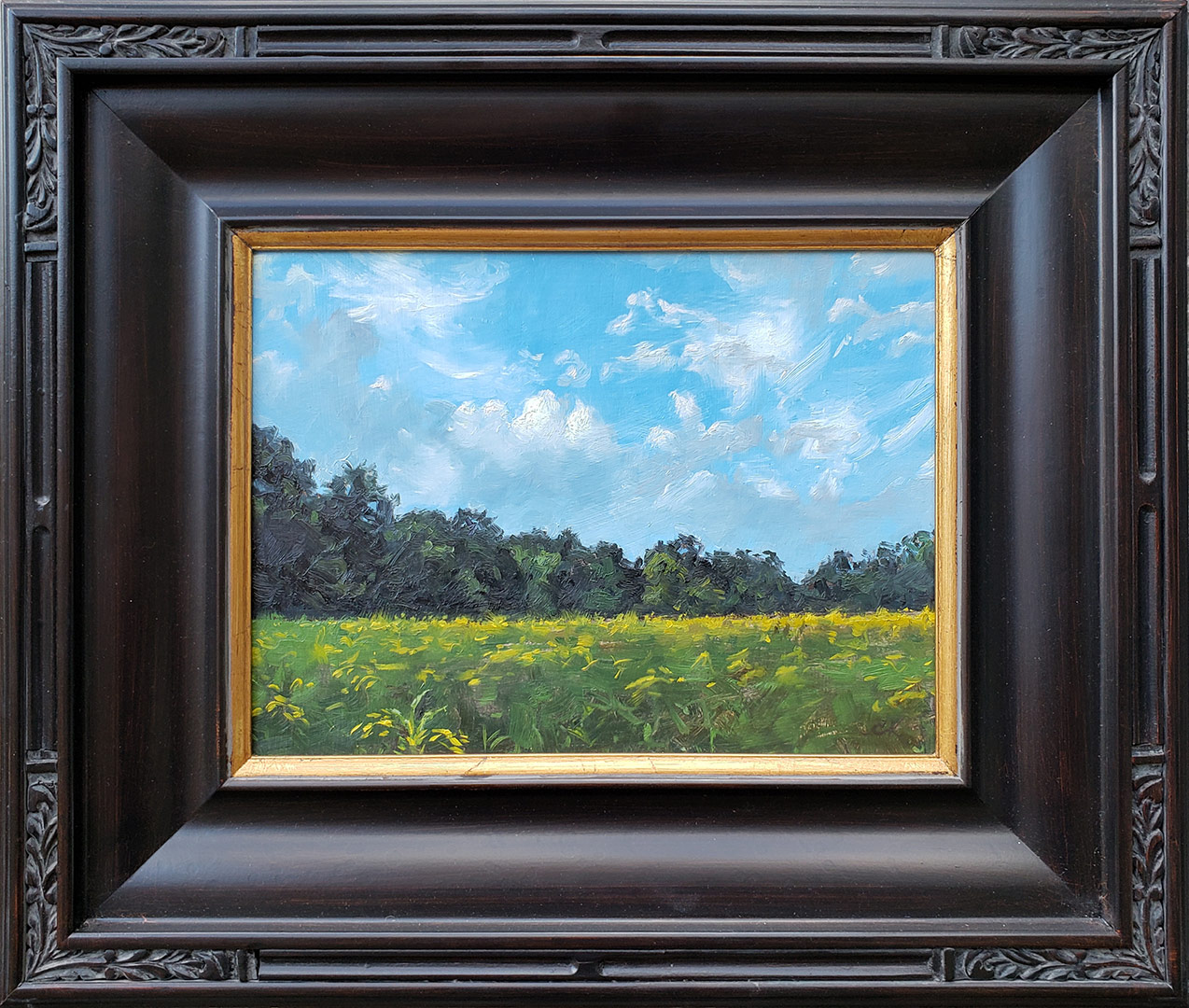
Medium: Oil on Board
Image Size: 9” x 12”
Frame Size: 17” x 20”
Signature: Signed Lower Right
Price: $1500
Biography/Statement
I was raised in rural northern Minnesota in a place called the Iron Range, a place best known for it’s sub-zero temps, Fargo-like accents, Finnish culture and saunas, and it was home to the young Bobby Zimmerman, more commonly known as Bob Dylan. In my mind, MN is best known for it’s quiet, contemplative beauty, it’s still waters mirror-like and mystical in the morning mist and salmon sunrises, the haunting call of the loon over the splash of a beavers tail…all in harmony with the constant buzz of mosquitoes and the chirping of frogs. Aurora Borealis. Skinny dipping by moonlight, followed by a steaming-hot sauna. Flaxen-haired Scandinavians, the roll of an R off my grandmothers Finnish-speaking tongue and Ole and Lena jokes. Snow sparkling diamond-like in the morning light, breath visible in the frigid air, frosty eyelashes and frostbitten toes, lake waters frozen thick and the exhilarating resonance of its cracking beneath bladed skates. Nature. Beauty. Home.
Artist Profile Page: Krawczyk, Casey / Categories: Landscape
Other Available Works by this Artist:
Similar Works
Bell, James Wethered
Busko, Bruce
Davis, William R.
Davis, William R.
Davis, William R.
Frost, George Albert
Graham, Laura Margaret
Hasbrouck, Dubois Fenelon
Hekking, Joseph Antonio
Hennings, Ernest Martin
Hinckley, Thomas Hewes
King, Paul
Kingsbury, Edward R.
Koeppel, Erik
Koeppel, Erik
Linson, Corwin Knapp
Loveridge, Clinton
McPhee, Patrick
Murphy, John Francis
Orlyk, Harry
Podlodowski, Jakub
Poskas, Peter
Sansariq, Lauren
Schreyer, Adolf
Shearer, Christopher
Sheehan, Dennis
Sheehan, Dennis
Sheehan, Dennis
Sheehan, Dennis
Sheehan, Dennis
Sheehan, Dennis
Sheehan, Dennis
Sheehan, Dennis
Sheehan, Dennis
Sheehan, Dennis
Sheppard, Warren
Tate, Gayle Blair
Voelcker, Rudolph
Walton, William
Witucki, Sean
Edward R. Kingsbury (1855-1940) American
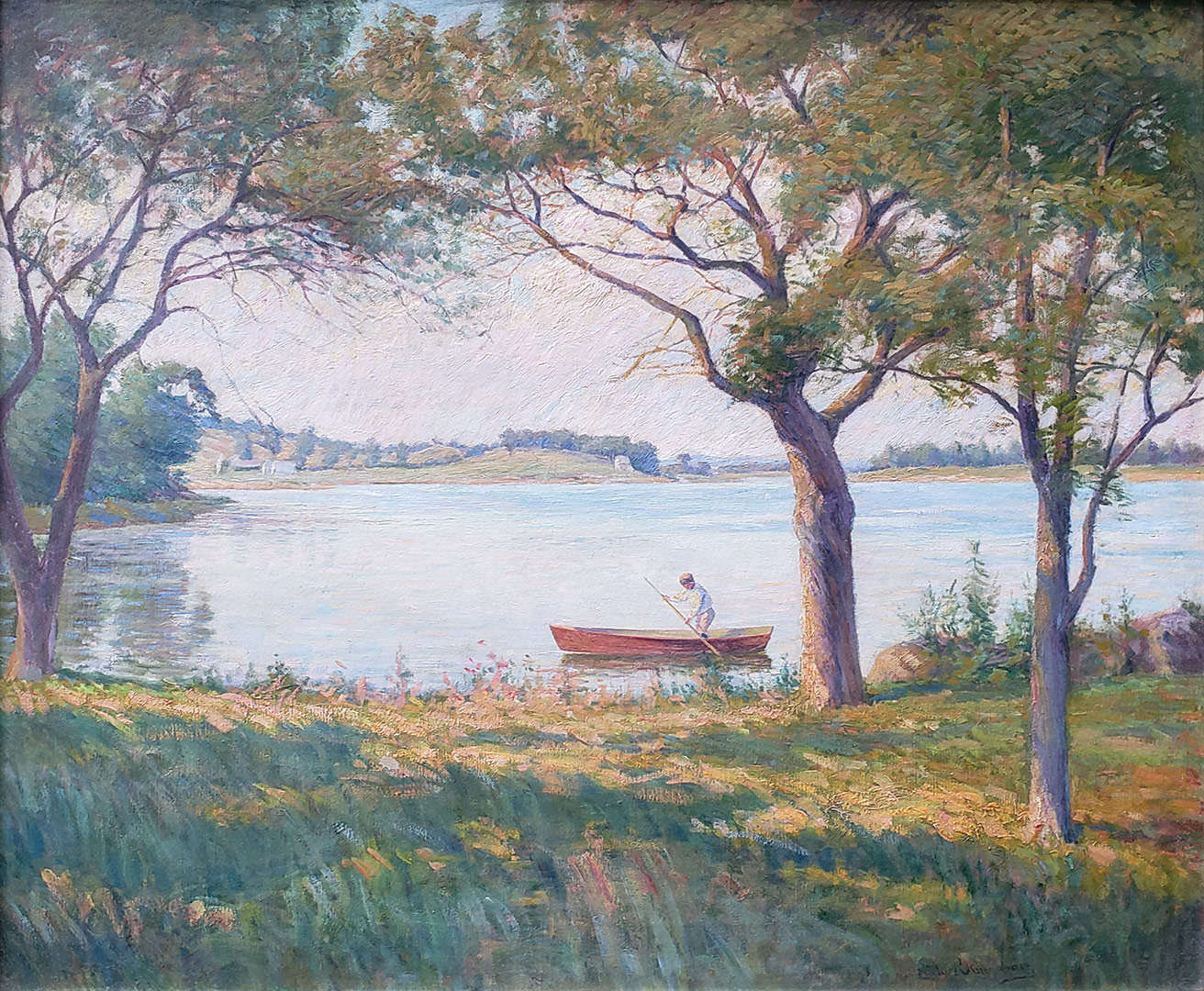

Medium: Oil on Canvas
Image Size: 30” x 36”
Frame Size: 38” x 44”
Signature: Signed Lower Right
Price: $7500
Biography/Statement
Born in Boston, MA in 1855. Kingsbury studied at the Massachusetts Normal Art School, Boston Museum School, and Académie Julian in Paris. A resident of Carmel, CA in the 1920s, his last years were spent in Ogunquit, ME and Cambridge, MA, He died in the latter on May 1, 1940.
Member: Salmagundi Club; Ogunquit AA. Exhibitions: Springville (UT) High School, 1927. In: Charlestown (MA) High School (mural). Carmel At Work and Play, p. 58; WWAA 1936-41; NY Times, 5-2-1940 (obit).
Artist Profile Page: Kingsbury, Edward R. / Categories: Landscape, Marine / Seascape
Other Available Works by this Artist:
Similar Works
Bell, James Wethered

Bower, Alexander
Busko, Bruce
Davis, William R.
Davis, William R.
Davis, William R.

Farndon, Walter
Frost, George Albert
Graham, Laura Margaret
Hasbrouck, Dubois Fenelon
Hekking, Joseph Antonio
Hennings, Ernest Martin
Hinckley, Thomas Hewes
King, Paul

Klein, Greg
Koeppel, Erik
Koeppel, Erik
Krawczyk, Casey

Lee, Manning De Villeneuve
Linson, Corwin Knapp
Loveridge, Clinton
McPhee, Patrick
Murphy, John Francis

Nemethy, Julian
Orlyk, Harry
Podlodowski, Jakub
Poskas, Peter
Sansariq, Lauren
Schreyer, Adolf
Shearer, Christopher
Sheehan, Dennis
Sheehan, Dennis
Sheehan, Dennis
Sheehan, Dennis
Sheehan, Dennis
Sheehan, Dennis
Sheehan, Dennis
Sheehan, Dennis
Sheehan, Dennis
Sheehan, Dennis
Sheppard, Warren
Tate, Gayle Blair

Van Dell, Mary Jo
Voelcker, Rudolph
Walton, William
Witucki, Sean
James Wethered Bell (N/A) American


Medium: Oil on Canvas
Image Size: 30” x 50”
Signature: Signed and dated Lower Left 1882
Price: $12000
Biography/Statement
Artist Profile Page: Bell, James Wethered / Categories: Hudson River School, Landscape
Other Available Works by this Artist:
Similar Works
Busko, Bruce
Davis, William R.
Davis, William R.
Davis, William R.
Frost, George Albert
Graham, Laura Margaret
Hasbrouck, Dubois Fenelon
Hekking, Joseph Antonio
Hennings, Ernest Martin
Hinckley, Thomas Hewes
King, Paul
Kingsbury, Edward R.
Koeppel, Erik
Koeppel, Erik
Krawczyk, Casey
Linson, Corwin Knapp
Loveridge, Clinton
McPhee, Patrick
Murphy, John Francis
Orlyk, Harry
Podlodowski, Jakub
Poskas, Peter
Sansariq, Lauren
Schreyer, Adolf
Shearer, Christopher
Sheehan, Dennis
Sheehan, Dennis
Sheehan, Dennis
Sheehan, Dennis
Sheehan, Dennis
Sheehan, Dennis
Sheehan, Dennis
Sheehan, Dennis
Sheehan, Dennis
Sheehan, Dennis
Sheppard, Warren
Tate, Gayle Blair
Voelcker, Rudolph
Walton, William
Witucki, Sean
Dennis Sheehan (1950-) Contemporary, American
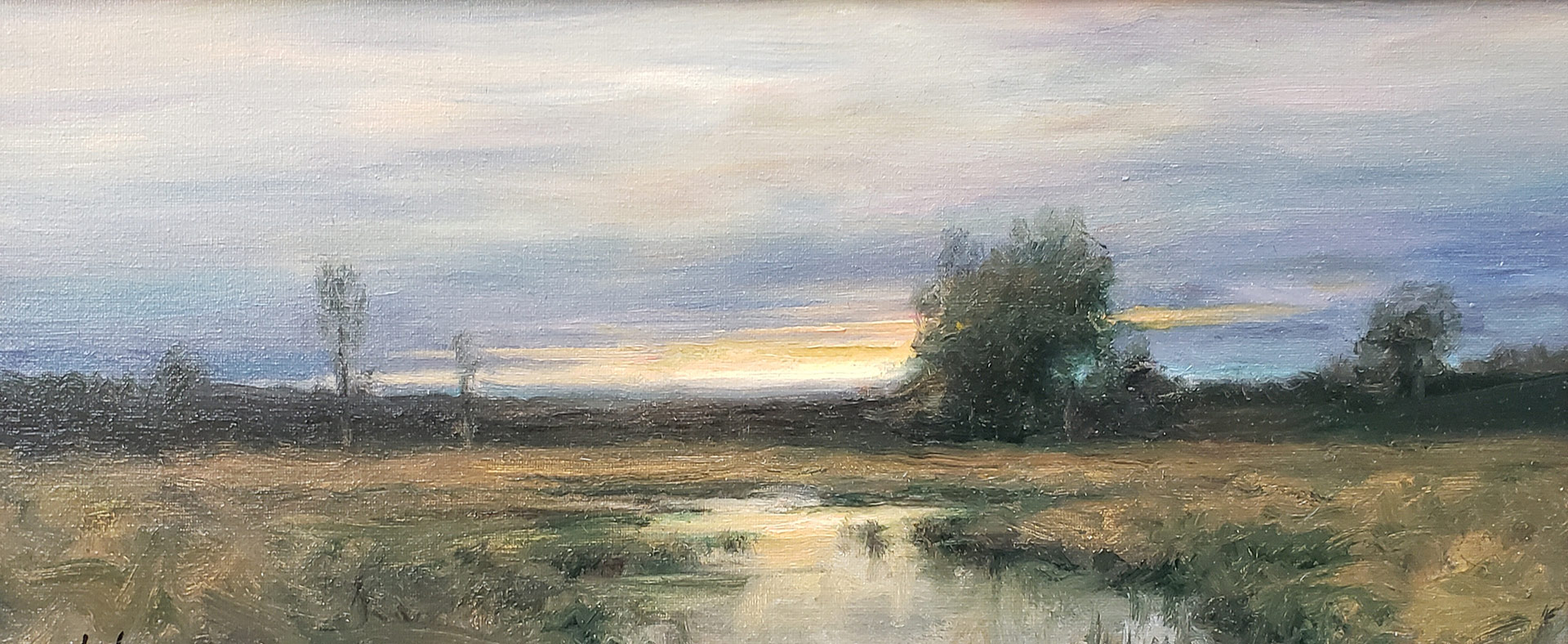
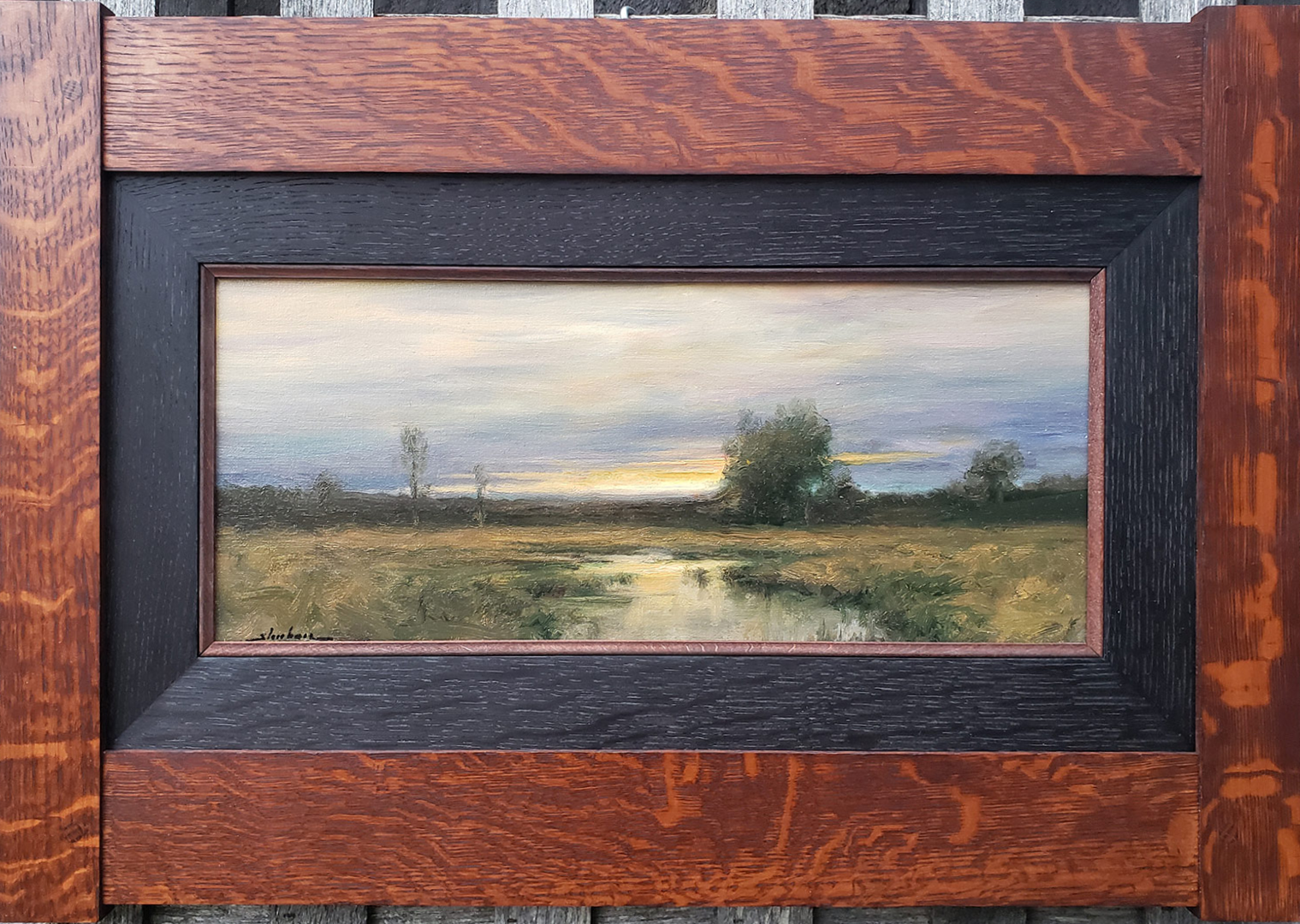
Medium: Oil on Canvas
Image Size: 8” x 18”
Frame Size: 18” x 28”
Signature: Signed Lower Left
Price: SOLD
Biography/Statement
Dennis Sheehan, born in Boston in 1950, is a member of the Guild of Boston Artists. His work is in major public and private collections., including the White House. Sheehan paints in the Barbizon mode with remarkable authority and faithful adherence to his 19th century precursors. In the tradition of the Tonalist painters, Sheehan creates landscapes of mood, affected by nature’s changing seasons.
“Today, in a cultural firmament that has been defined as Postmodern, a new generation of American painters is returning to the old landscape seeking a renewed vision. The cultural strategies that they employ are as diverse as any from the past; in most cases, these painters consciously strive to enter into a dialogue with the history of the White Mountains art. Their work, grounded in a sophisticated appreciation of what has come before, is in many cases deliberately discursive with a tradition that has been all but erased twice by historical and cultural forces.”
The contemporary work of Dennis Sheehan, for example, affords a great nineteenth-century-predecessor George Inness. Like Inness, whose influence is consciously acknowledged, Sheehan employs the dark palette and thickly pigmented surfaces of the French Barbizon School*. Maintaining a muted tonalist chromatic scheme, Sheehan, like Inness before him, has temerity to eschew picturesque scenery-his Conway Meadows avoids any reference to the traditional climax view of Mount Washington—in the interest of evoking atmospherics* and the appearance of the natural world as it is observed.
Optical truth combined with poetic resonance—the search for some ineffable quality of nature beyond words -constitutes the probity of his art. Yet, also like Inness, Sheehan’s paintings are produced in the studio. His work is the product of the conscious distillation of prior imagery ranging from the American Barbizon to the abstractions of Franz Kline. For all of the references to history—and there are multiple—there is no mistaking the artist’s debt to the more recent past. Without the legacy of action painting, Sheehan’s art would be less forceful and evocative than it is.”
Source: Guild of Boston Artists
“My goal is to have the painting emanate light, rather than be just a surface that records the reflections of light. This is why the shadow areas are important, for it is from them that this emanation proceeds. The light areas are focal points of this effort, but the power comes from the shadows.” – Dennis Sheehan
Artist Profile Page: Sheehan, Dennis / Categories: Barbizon School, Landscape, Tonalism
Other Available Works by this Artist:
Sheehan, Dennis
Sheehan, Dennis
Sheehan, Dennis
Sheehan, Dennis
Sheehan, Dennis
Sheehan, Dennis
Sheehan, Dennis
Sheehan, Dennis
Sheehan, Dennis
Sheehan, Dennis
Sheehan, Dennis
Sheehan, Dennis
Similar Works
Bell, James Wethered
Busko, Bruce
Davis, William R.
Davis, William R.
Davis, William R.
Frost, George Albert
Graham, Laura Margaret
Hasbrouck, Dubois Fenelon
Hekking, Joseph Antonio
Hennings, Ernest Martin
Hinckley, Thomas Hewes
King, Paul
Kingsbury, Edward R.
Koeppel, Erik
Koeppel, Erik
Krawczyk, Casey
Linson, Corwin Knapp
Loveridge, Clinton
McPhee, Patrick
Murphy, John Francis
Orlyk, Harry
Podlodowski, Jakub
Poskas, Peter
Sansariq, Lauren
Schreyer, Adolf
Shearer, Christopher
Sheehan, Dennis
Sheehan, Dennis
Sheehan, Dennis
Sheehan, Dennis
Sheehan, Dennis
Sheehan, Dennis
Sheehan, Dennis
Sheehan, Dennis
Sheehan, Dennis
Sheehan, Dennis
Sheppard, Warren
Tate, Gayle Blair
Voelcker, Rudolph
Walton, William
Witucki, Sean
Adolf Schreyer (1828-1899) European
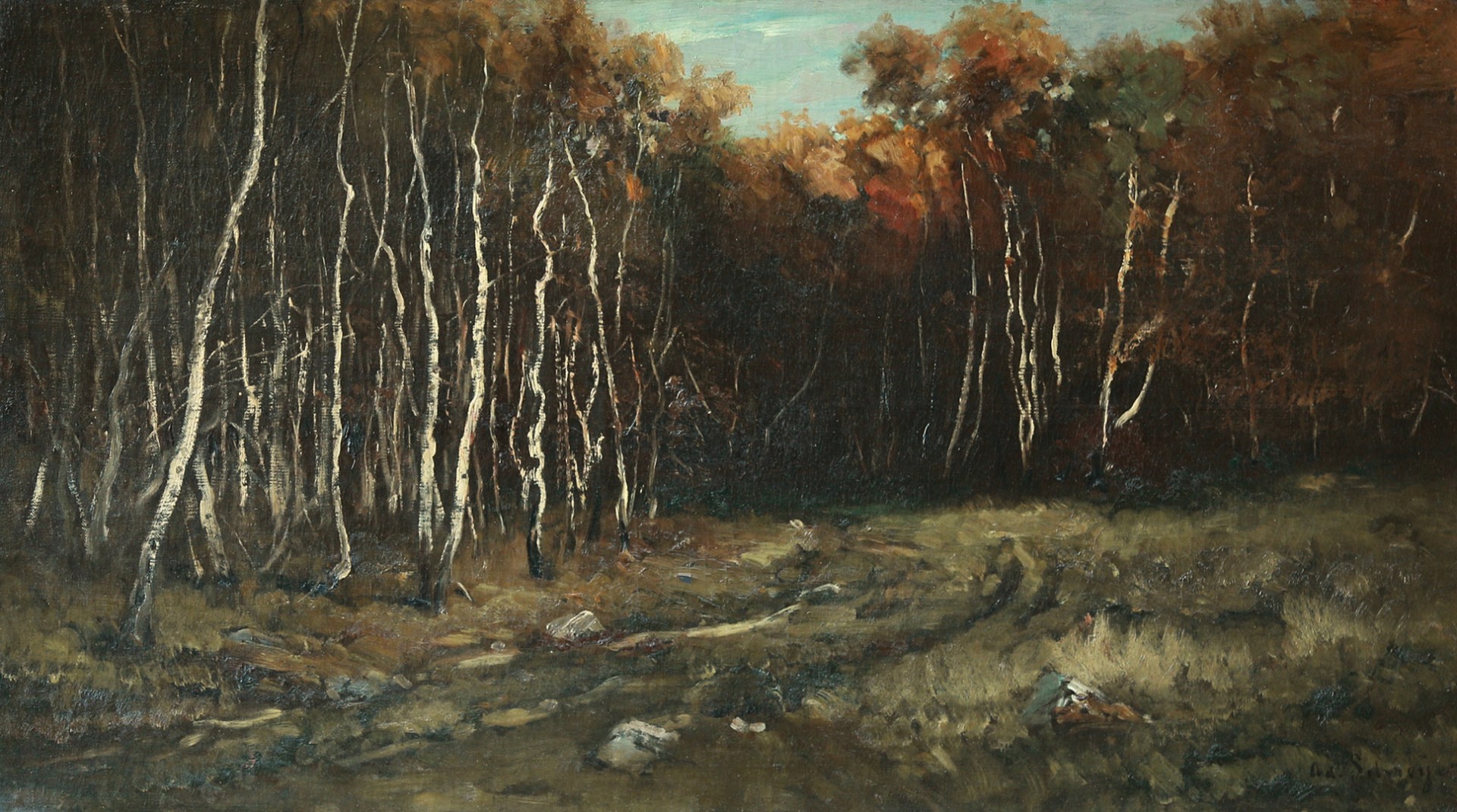

Medium: Oil on Canvas
Image Size: 18” x 32”
Frame Size: 26” x 40”
Signature: Signed lower right
Price: $13500
Biography/Statement
Adolf Schreyer was born at Frankfurt-am-Main. He first studied at the Städel Institute in his native town, and then in Stuttgart and Munich.
Schreyer first accompanied Prince Thurn and Taxis through Hungary, Wallachia, Russia and Turkey. Then, in 1854, he followed the Austrian army across the Wallachian frontier. In 1856 he went to Egypt and Syria, and in 1861 to Algiers. In 1862 Schreyer settled in Paris but he returned to Germany in 1870 and settled in Cronberg, near Frankfurt, where he died.
Schreyer was especially esteemed as a painter of horses, peasant life in Wallachia and Moldavia and of battles. His work is particularly remarkable for its excellent equine draughtsmanship and for the artist’s power of observation and forceful statement. Schreyer was highly appreciated by French and American collectors.
Schreyer is represented in the following collections: the Raven Gallery, Berlin; the Metropolitan Museum, New York; Kunsthalle, Hamburg.
Artist Profile Page: Schreyer, Adolf / Categories: Landscape
Other Available Works by this Artist:
Similar Works
Bell, James Wethered
Busko, Bruce
Davis, William R.
Davis, William R.
Davis, William R.
Frost, George Albert
Graham, Laura Margaret
Hasbrouck, Dubois Fenelon
Hekking, Joseph Antonio
Hennings, Ernest Martin
Hinckley, Thomas Hewes
King, Paul
Kingsbury, Edward R.
Koeppel, Erik
Koeppel, Erik
Krawczyk, Casey
Linson, Corwin Knapp
Loveridge, Clinton
McPhee, Patrick
Murphy, John Francis
Orlyk, Harry
Podlodowski, Jakub
Poskas, Peter
Sansariq, Lauren
Shearer, Christopher
Sheehan, Dennis
Sheehan, Dennis
Sheehan, Dennis
Sheehan, Dennis
Sheehan, Dennis
Sheehan, Dennis
Sheehan, Dennis
Sheehan, Dennis
Sheehan, Dennis
Sheehan, Dennis
Sheppard, Warren
Tate, Gayle Blair
Voelcker, Rudolph
Walton, William
Witucki, Sean
Dennis Sheehan (1950-) Contemporary, American
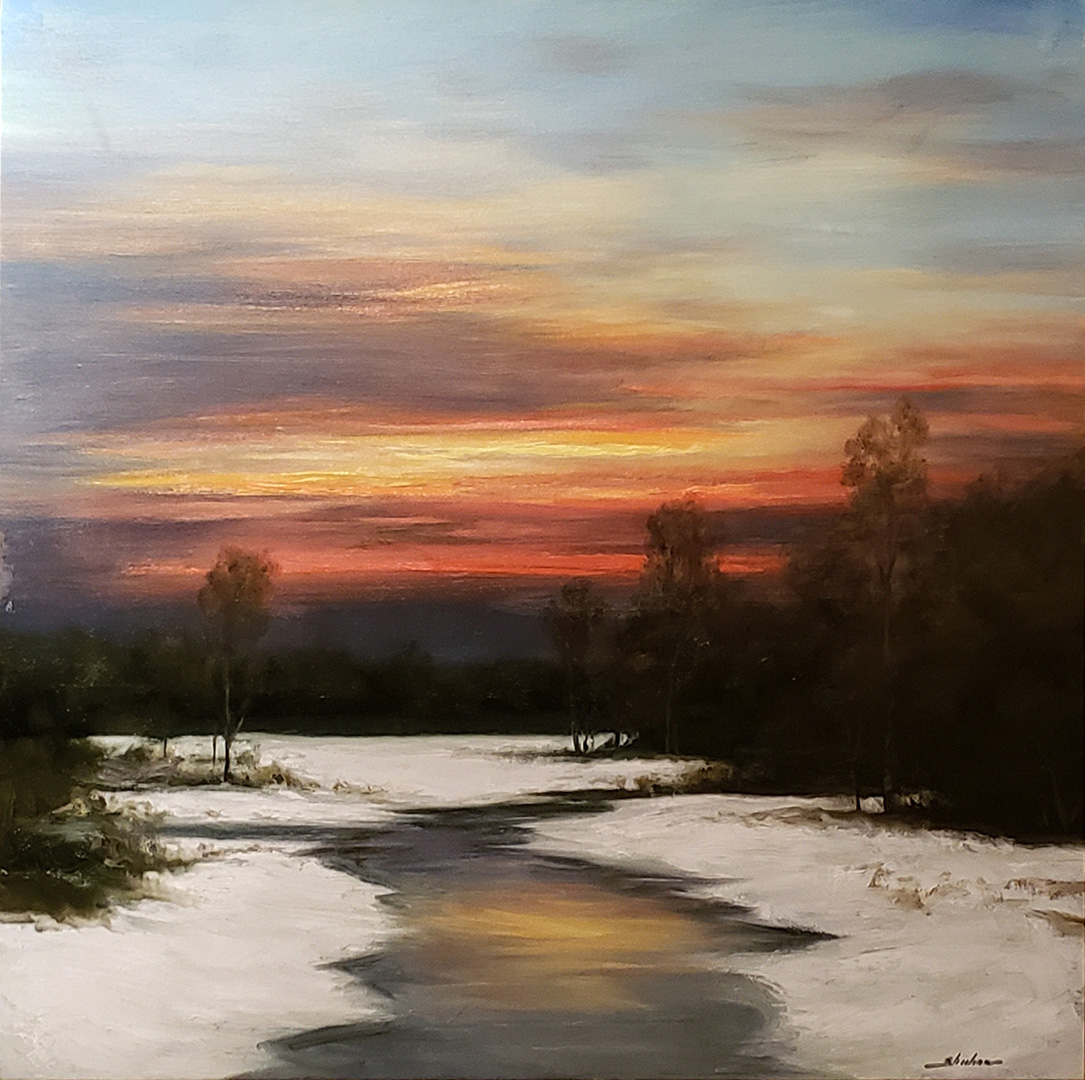

Medium: Oil on Canvas
Image Size: 30” x 30”
Frame Size: 35” x 35”
Signature: Signed lower right
Price: SOLD
Biography/Statement
Dennis Sheehan, born in Boston in 1950, is a member of the Guild of Boston Artists. His work is in major public and private collections., including the White House. Sheehan paints in the Barbizon mode with remarkable authority and faithful adherence to his 19th century precursors. In the tradition of the Tonalist painters, Sheehan creates landscapes of mood, affected by nature’s changing seasons.
“Today, in a cultural firmament that has been defined as Postmodern, a new generation of American painters is returning to the old landscape seeking a renewed vision. The cultural strategies that they employ are as diverse as any from the past; in most cases, these painters consciously strive to enter into a dialogue with the history of the White Mountains art. Their work, grounded in a sophisticated appreciation of what has come before, is in many cases deliberately discursive with a tradition that has been all but erased twice by historical and cultural forces.”
The contemporary work of Dennis Sheehan, for example, affords a great nineteenth-century-predecessor George Inness. Like Inness, whose influence is consciously acknowledged, Sheehan employs the dark palette and thickly pigmented surfaces of the French Barbizon School*. Maintaining a muted tonalist chromatic scheme, Sheehan, like Inness before him, has temerity to eschew picturesque scenery-his Conway Meadows avoids any reference to the traditional climax view of Mount Washington—in the interest of evoking atmospherics* and the appearance of the natural world as it is observed.
Optical truth combined with poetic resonance—the search for some ineffable quality of nature beyond words -constitutes the probity of his art. Yet, also like Inness, Sheehan’s paintings are produced in the studio. His work is the product of the conscious distillation of prior imagery ranging from the American Barbizon to the abstractions of Franz Kline. For all of the references to history—and there are multiple—there is no mistaking the artist’s debt to the more recent past. Without the legacy of action painting, Sheehan’s art would be less forceful and evocative than it is.”
Source: Guild of Boston Artists
“My goal is to have the painting emanate light, rather than be just a surface that records the reflections of light. This is why the shadow areas are important, for it is from them that this emanation proceeds. The light areas are focal points of this effort, but the power comes from the shadows.” – Dennis Sheehan
Artist Profile Page: Sheehan, Dennis / Categories: Barbizon School, Landscape, Tonalism
Other Available Works by this Artist:
Sheehan, Dennis
Sheehan, Dennis
Sheehan, Dennis
Sheehan, Dennis
Sheehan, Dennis
Sheehan, Dennis
Sheehan, Dennis
Sheehan, Dennis
Sheehan, Dennis
Sheehan, Dennis
Sheehan, Dennis
Sheehan, Dennis
Similar Works
Bell, James Wethered
Busko, Bruce
Davis, William R.
Davis, William R.
Davis, William R.
Frost, George Albert
Graham, Laura Margaret
Hasbrouck, Dubois Fenelon
Hekking, Joseph Antonio
Hennings, Ernest Martin
Hinckley, Thomas Hewes
King, Paul
Kingsbury, Edward R.
Koeppel, Erik
Koeppel, Erik
Krawczyk, Casey
Linson, Corwin Knapp
Loveridge, Clinton
McPhee, Patrick
Murphy, John Francis
Orlyk, Harry
Podlodowski, Jakub
Poskas, Peter
Sansariq, Lauren
Schreyer, Adolf
Shearer, Christopher
Sheehan, Dennis
Sheehan, Dennis
Sheehan, Dennis
Sheehan, Dennis
Sheehan, Dennis
Sheehan, Dennis
Sheehan, Dennis
Sheehan, Dennis
Sheehan, Dennis
Sheehan, Dennis
Sheppard, Warren
Tate, Gayle Blair
Voelcker, Rudolph
Walton, William
Witucki, Sean
Dennis Sheehan (1950-) Contemporary, American


Medium: Oil on Canvas
Image Size: 16” x 30”
Frame Size: 24” x 38”
Signature: Signed lower right
Price: $4800
Biography/Statement
Dennis Sheehan, born in Boston in 1950, is a member of the Guild of Boston Artists. His work is in major public and private collections., including the White House. Sheehan paints in the Barbizon mode with remarkable authority and faithful adherence to his 19th century precursors. In the tradition of the Tonalist painters, Sheehan creates landscapes of mood, affected by nature’s changing seasons.
“Today, in a cultural firmament that has been defined as Postmodern, a new generation of American painters is returning to the old landscape seeking a renewed vision. The cultural strategies that they employ are as diverse as any from the past; in most cases, these painters consciously strive to enter into a dialogue with the history of the White Mountains art. Their work, grounded in a sophisticated appreciation of what has come before, is in many cases deliberately discursive with a tradition that has been all but erased twice by historical and cultural forces.”
The contemporary work of Dennis Sheehan, for example, affords a great nineteenth-century-predecessor George Inness. Like Inness, whose influence is consciously acknowledged, Sheehan employs the dark palette and thickly pigmented surfaces of the French Barbizon School*. Maintaining a muted tonalist chromatic scheme, Sheehan, like Inness before him, has temerity to eschew picturesque scenery-his Conway Meadows avoids any reference to the traditional climax view of Mount Washington—in the interest of evoking atmospherics* and the appearance of the natural world as it is observed.
Optical truth combined with poetic resonance—the search for some ineffable quality of nature beyond words -constitutes the probity of his art. Yet, also like Inness, Sheehan’s paintings are produced in the studio. His work is the product of the conscious distillation of prior imagery ranging from the American Barbizon to the abstractions of Franz Kline. For all of the references to history—and there are multiple—there is no mistaking the artist’s debt to the more recent past. Without the legacy of action painting, Sheehan’s art would be less forceful and evocative than it is.”
Source: Guild of Boston Artists
“My goal is to have the painting emanate light, rather than be just a surface that records the reflections of light. This is why the shadow areas are important, for it is from them that this emanation proceeds. The light areas are focal points of this effort, but the power comes from the shadows.” – Dennis Sheehan
Artist Profile Page: Sheehan, Dennis / Categories: Barbizon School, Landscape, Tonalism
Other Available Works by this Artist:
Sheehan, Dennis
Sheehan, Dennis
Sheehan, Dennis
Sheehan, Dennis
Sheehan, Dennis
Sheehan, Dennis
Sheehan, Dennis
Sheehan, Dennis
Sheehan, Dennis
Sheehan, Dennis
Sheehan, Dennis
Similar Works
Bell, James Wethered
Busko, Bruce
Davis, William R.
Davis, William R.
Davis, William R.
Frost, George Albert
Graham, Laura Margaret
Hasbrouck, Dubois Fenelon
Hekking, Joseph Antonio
Hennings, Ernest Martin
Hinckley, Thomas Hewes
King, Paul
Kingsbury, Edward R.
Koeppel, Erik
Koeppel, Erik
Krawczyk, Casey
Linson, Corwin Knapp
Loveridge, Clinton
McPhee, Patrick
Murphy, John Francis
Orlyk, Harry
Podlodowski, Jakub
Poskas, Peter
Sansariq, Lauren
Schreyer, Adolf
Shearer, Christopher
Sheehan, Dennis
Sheehan, Dennis
Sheehan, Dennis
Sheehan, Dennis
Sheehan, Dennis
Sheehan, Dennis
Sheehan, Dennis
Sheehan, Dennis
Sheehan, Dennis
Sheppard, Warren
Tate, Gayle Blair
Voelcker, Rudolph
Walton, William
Witucki, Sean
Dennis Sheehan (1950-) Contemporary, American

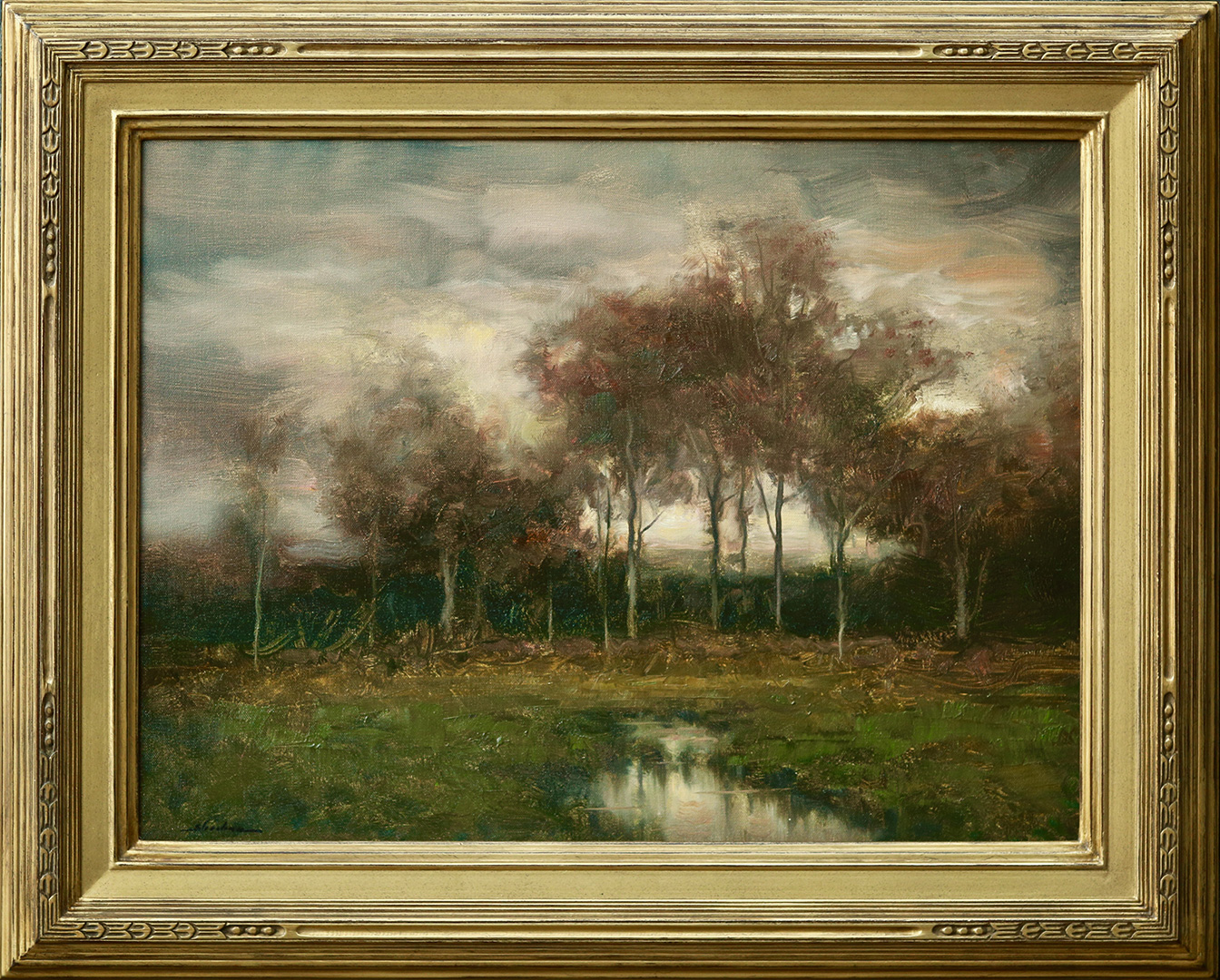
Medium: Oil on Canvas
Image Size: 18” x 24”
Frame Size: 26” x 32”
Signature: Signed lower left
Price: $3200
Biography/Statement
Dennis Sheehan, born in Boston in 1950, is a member of the Guild of Boston Artists. His work is in major public and private collections., including the White House. Sheehan paints in the Barbizon mode with remarkable authority and faithful adherence to his 19th century precursors. In the tradition of the Tonalist painters, Sheehan creates landscapes of mood, affected by nature’s changing seasons.
“Today, in a cultural firmament that has been defined as Postmodern, a new generation of American painters is returning to the old landscape seeking a renewed vision. The cultural strategies that they employ are as diverse as any from the past; in most cases, these painters consciously strive to enter into a dialogue with the history of the White Mountains art. Their work, grounded in a sophisticated appreciation of what has come before, is in many cases deliberately discursive with a tradition that has been all but erased twice by historical and cultural forces.”
The contemporary work of Dennis Sheehan, for example, affords a great nineteenth-century-predecessor George Inness. Like Inness, whose influence is consciously acknowledged, Sheehan employs the dark palette and thickly pigmented surfaces of the French Barbizon School*. Maintaining a muted tonalist chromatic scheme, Sheehan, like Inness before him, has temerity to eschew picturesque scenery-his Conway Meadows avoids any reference to the traditional climax view of Mount Washington—in the interest of evoking atmospherics* and the appearance of the natural world as it is observed.
Optical truth combined with poetic resonance—the search for some ineffable quality of nature beyond words -constitutes the probity of his art. Yet, also like Inness, Sheehan’s paintings are produced in the studio. His work is the product of the conscious distillation of prior imagery ranging from the American Barbizon to the abstractions of Franz Kline. For all of the references to history—and there are multiple—there is no mistaking the artist’s debt to the more recent past. Without the legacy of action painting, Sheehan’s art would be less forceful and evocative than it is.”
Source: Guild of Boston Artists
“My goal is to have the painting emanate light, rather than be just a surface that records the reflections of light. This is why the shadow areas are important, for it is from them that this emanation proceeds. The light areas are focal points of this effort, but the power comes from the shadows.” – Dennis Sheehan
Artist Profile Page: Sheehan, Dennis / Categories: Barbizon School, Landscape, Tonalism
Other Available Works by this Artist:
Sheehan, Dennis
Sheehan, Dennis
Sheehan, Dennis
Sheehan, Dennis
Sheehan, Dennis
Sheehan, Dennis
Sheehan, Dennis
Sheehan, Dennis
Sheehan, Dennis
Sheehan, Dennis
Sheehan, Dennis
Similar Works
Bell, James Wethered
Busko, Bruce
Davis, William R.
Davis, William R.
Davis, William R.
Frost, George Albert
Graham, Laura Margaret
Hasbrouck, Dubois Fenelon
Hekking, Joseph Antonio
Hennings, Ernest Martin
Hinckley, Thomas Hewes
King, Paul
Kingsbury, Edward R.
Koeppel, Erik
Koeppel, Erik
Krawczyk, Casey
Linson, Corwin Knapp
Loveridge, Clinton
McPhee, Patrick
Murphy, John Francis
Orlyk, Harry
Podlodowski, Jakub
Poskas, Peter
Sansariq, Lauren
Schreyer, Adolf
Shearer, Christopher
Sheehan, Dennis
Sheehan, Dennis
Sheehan, Dennis
Sheehan, Dennis
Sheehan, Dennis
Sheehan, Dennis
Sheehan, Dennis
Sheehan, Dennis
Sheehan, Dennis
Sheppard, Warren
Tate, Gayle Blair
Voelcker, Rudolph
Walton, William
Witucki, Sean